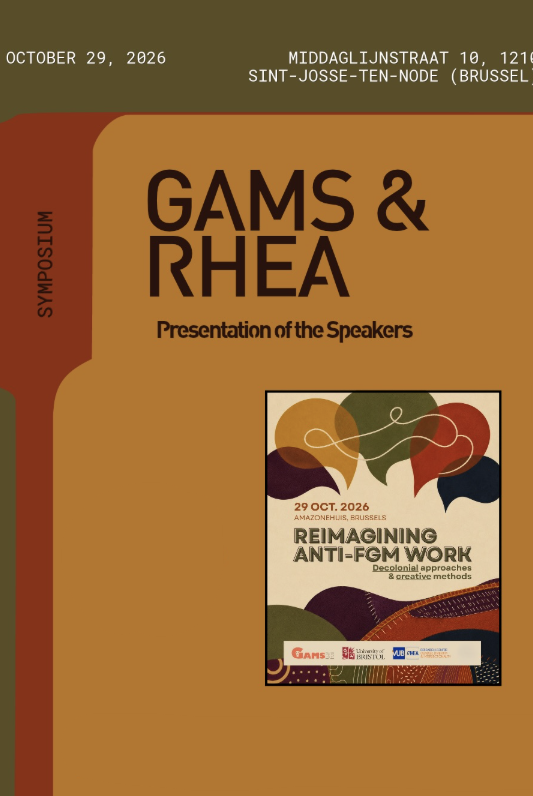
Symposium
How can we work to prevent female genital mutilation (FGM) without unintentionally causing other forms of harm?
Research and experiences from practice show that well-intentioned approaches to FGM can sometimes contribute to stigmatisation, racial profiling and negative experiences within healthcare and other services. At the same time, professionals across different sectors work within different responsibilities, policies, institutional frameworks and constraints. The symposium will also focus on creative methods for initiating conversations about FGM while continuing to reflect on our own practices.
During this symposium, we bring together professionals from different sectors, researchers, and women with lived and professional/community expertise to reflect on these tensions, explore how they manifest in the Belgian context, and think together about more intersectional, person-centred and decolonial approaches to FGM.
In the morning, professionals, researchers, and women with lived experience will come together to explore:
• how colonial legacies continue to shape anti-FGM work;
• how stigmatisation and racialisation manifest in the Belgian context;
• how we can develop more intersectional, person-centred, and decolonial approaches.
In the afternoon, we will turn to the role of creative methods in research and conversations about sensitive topics. Participants will also experience these methods first-hand through a collaborative zine-making workshop exploring the decolonisation of FGM.
Program
09:00–09:30 | Registration & coffee
09:30–09:40 | Welcome
Decolonising FGM: Colonial legacies and contemporary practice
09:40–10:30 | Colonial histories and contemporary legacies of anti-FGM policy Natasha Carver (University of Bristol) & Hannelore Van Bavel (Vrije Universiteit Brussel)
10:30–11:00 | What does this look like in Belgium? Aminata Sidibé (GAMS)
11:00–11:20 | Coffee break
11:20–12:05 | Panel discussion & audience Q&A Panelists: Natasha Carver, Hannelore Van Bavel, Aminata Sidibé, Huda Hajinur (Caafi Health Bristol), Aissatou Diallo (GAMS), Metasebia Joffe (GAMS) Moderator: Paulien Broens (Vrije Universiteit Brussel)
12:10–12:30 | Small-group discussions Reflection and exchange across different areas of professional practice.
12:30–13:00 | Plenary discussion Bringing together perspectives, challenges and experiences across sectors.
13:00–14:00 | Lunch & networking
Creative methods for engaging with sensitive topics
14:00–15:00 | What can creative methods make possible? Natasha Carver, Hannelore Van Bavel, Luna Doppée (GAMS)
15:00–16:45 | Creative workshop: Reimagining practice A collective creative reflection on power, perspectives and possibilities for change.
16:45–17:00 | Closing reflections

Meet your speakers!
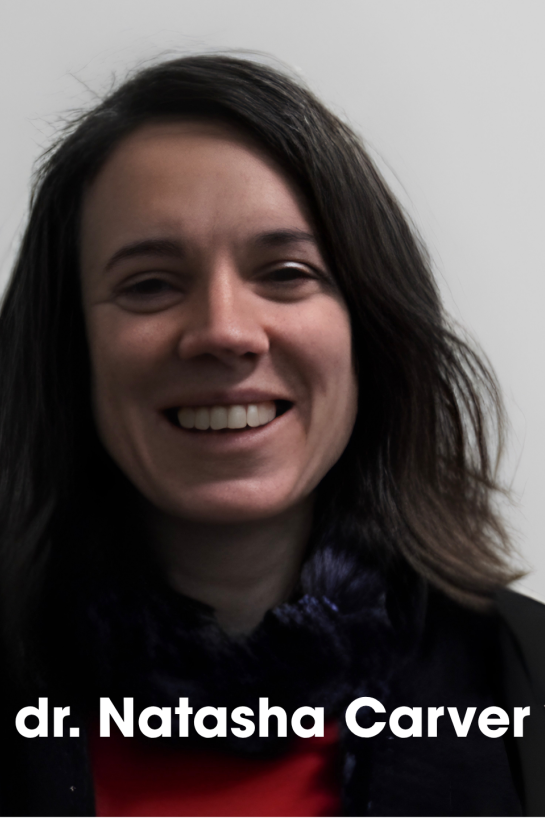
Dr Natasha Carver is a Senior Lecturer at the University of Bristol’s School for Policy Studies. Her research explores how law and policy shape racialised and gendered identities, particularly around migration, bordering and FGM/C. She examines the colonial legacies of dominant FGM/C narratives and how safeguarding practices can produce stigma, surveillance and exclusion.
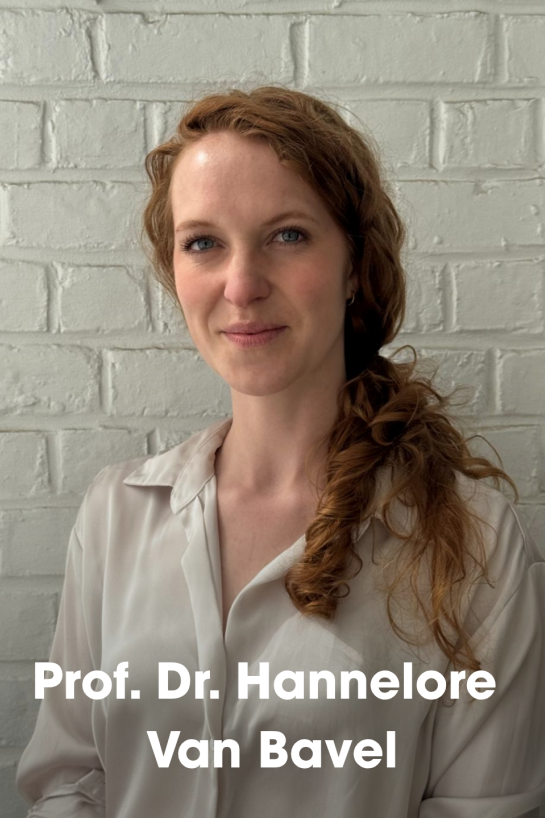
Prof. Dr Hannelore Van Bavel is a Research Professor and Senior Postdoctoral Research Fellow at RHEA, Vrije Universiteit Brussel. Her research examines FGM/C and female genital cosmetic surgery in African and European contexts, exploring why some genital modifications are criminalised while others are normalised.
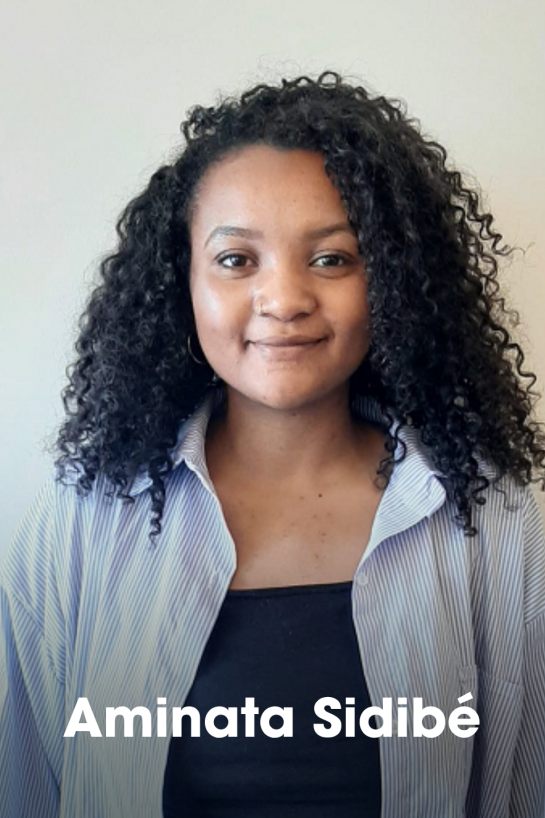
Aminata Sidibé, also known as Anita, is a Belgian activist of Guinean descent and a project officer at GAMS Belgium. Her work focuses on the sexual and reproductive health and rights of women living with FGM/C, alongside culturally sensitive training for professionals. She has advocated for marginalised communities across several countries and has served on the board of the End FGM European Network since 2023.
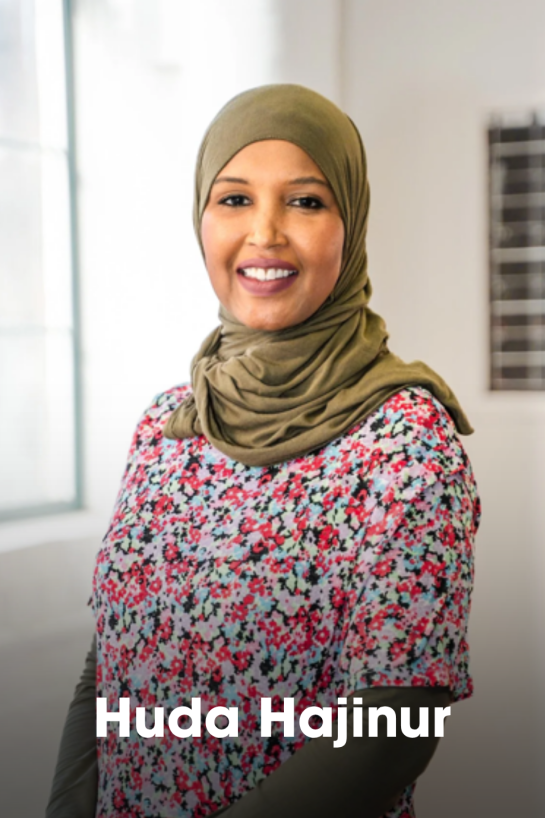
Huda Hajinur is an Emergency Nurse Practitioner and CEO and co-founder of Caafi Health. With over 15 years of nursing experience, she combines clinical expertise with community leadership to address health inequalities. Founded during the COVID-19 pandemic, Caafi Health supports underserved communities through culturally sensitive healthcare, education and social support.
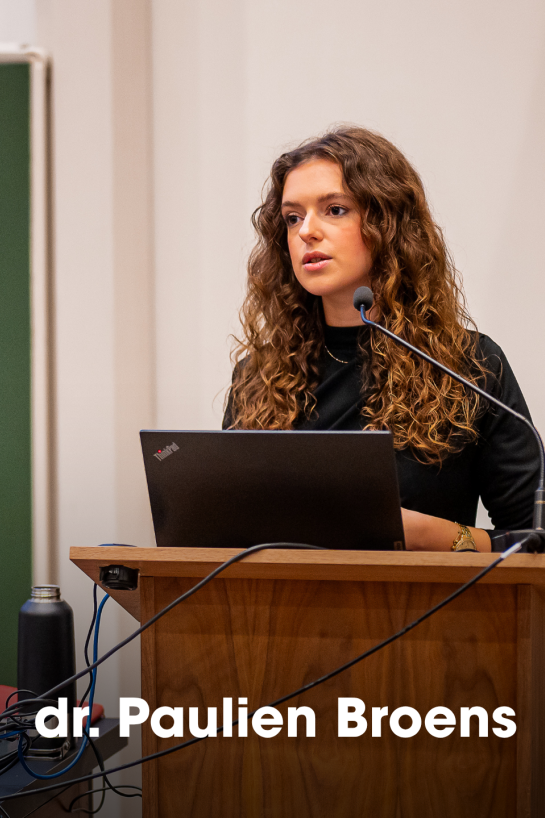
Dr Paulien Broens is a legal historian and social anthropologist specialising in gender, female authority and colonialism in Africa. Her doctoral research examined female legal authorities in colonial Asante, and she has conducted research in Tanzania, Nigeria and Ghana. An associate member of RHEA at Vrije Universiteit Brussel, she co-supervises a University of Nairobi project developing decolonial, community-driven approaches to strengthening Kenya’s anti-FGM framework.
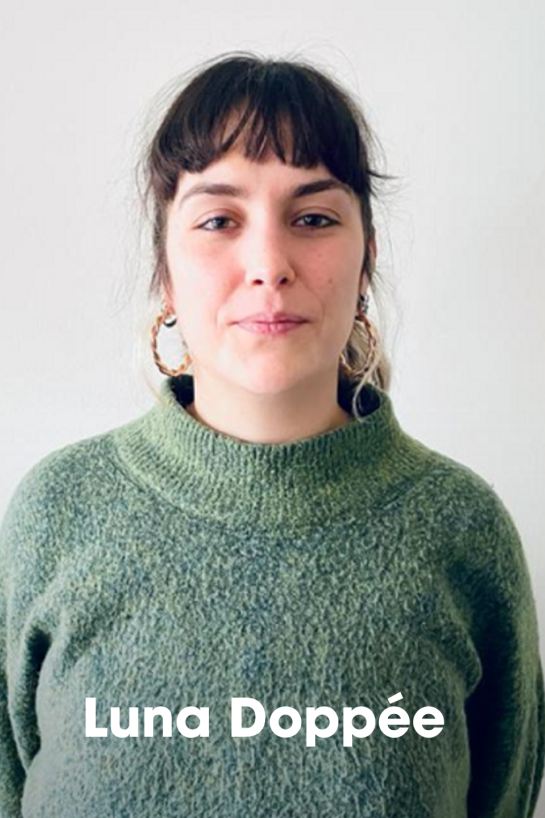
Luna Doppée is a psychologist at GAMS Belgium’s Antwerp office and trained as a music therapist. Her interests include sexuality, culture, creative therapies and family support. She draws on experience working with attachment difficulties, domestic violence and trauma to bring together psychology and the arts in her work.
Aissatou Diallo is a nurse and Activities Coordinator at GAMS Belgium in Brussels. She previously spent several years at Fedasil supporting people seeking international protection, first as a nurse and later as Head Nurse of the Medical Service. She is currently completing a Master’s degree in Public Health at UCLouvain, with research focusing on the role of external genital examinations in the prevention of FGM and the protection of girls at risk in Belgium, including professionals’ perspectives on their potential benefits, limitations and effects.
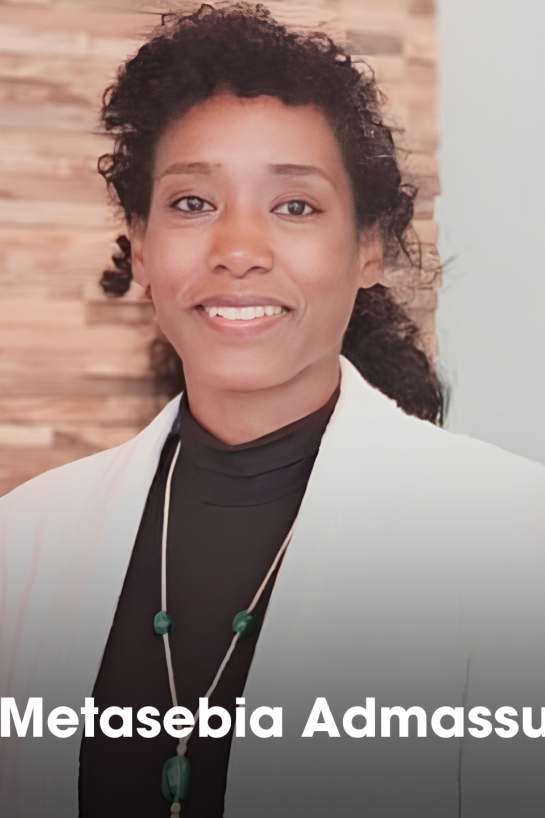
Metasebia Admassu (Meti) is a public health professional and early-career researcher with a Master of Public Health and experience across governmental, non-governmental, and academic settings. Her work has focuses on sexual and reproductive health, maternal health, and the health needs of marginalized populations. Since 2021, she has been working as a research assistant at the Institute of Tropical Medicine in Belgium, with expertise in qualitative research including migrants, gender-based violence survivors, and people experiencing homelessness.
-
 Natasha Carver
-

-
-
-
-
-
-
-